
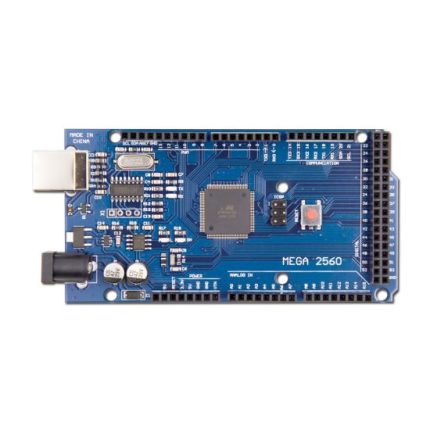
Ch340 Arduino Mega 2560 With Cable In Pakistan
The Mega 2560 is a micro-controller board base on the CH340. It has 54 digital input/output pins (of which 15 can be used as PWM outputs), 16 analog inputs, 4 UARTs (hardware serial ports), a 16 MHz crystal oscillator, a USB connection, a power jack, an ICSP header, and a reset button. It contains everything need to support the micro-controller; simply connect it to a computer with a USB cable or power it with a AC-to-DC adapter or battery to get start. The Mega is compatible with most shields design for the Duemilanove or Diecimila.
The Mega 2560 is an update to the Mega, which it replaces. The Mega2560 differs from all preceding boards in that it does not use the FTDI USB-to-serial driver chip. Instead, it features the CH340 programmed as a USB-to-serial converter.
Revision 2 of the Mega2560 board has a resistor pulling the 8U2 HWB line to ground, making it easier to put into DFU mode.
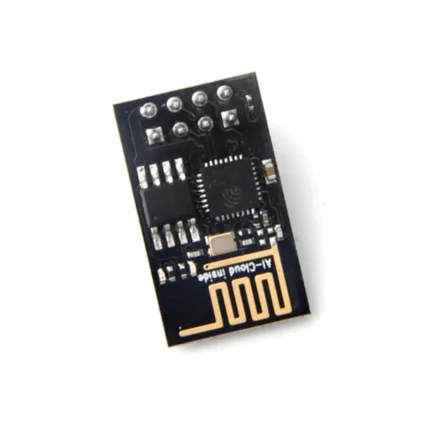
Esp01 Esp 01 Esp8266 Wifi Module
The ESP 01 or ESP8266 WiFi Module is a self-contained SOC. ESP8266 serial module has integrated TCP/IP protocol stack that can give any microcontroller access to your WiFi network. The esp8266 wifi module Arduino is capable of either hosting an application or offloading all Wi-Fi networking functions from another application processor. Each ESP8266 module comes pre-programmed with an AT command set firmware, meaning, you can simply hook this up to your Arduino device and get about as much WiFi-ability as a WiFi Shield offers (and that’s just out of the box)! The esp 01 connect to wifi module is an extremely cost-effective board with a huge, and ever-growing, community.
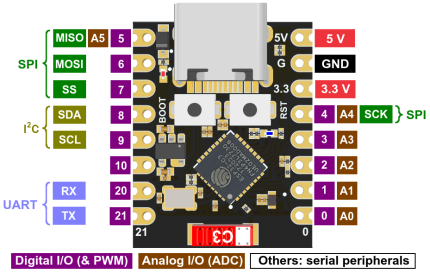
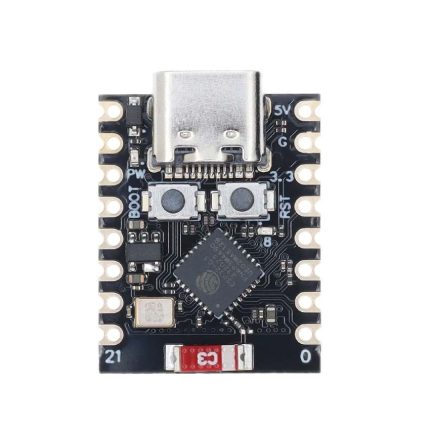
ESP32 C3 Super Mini Price in Pakistan
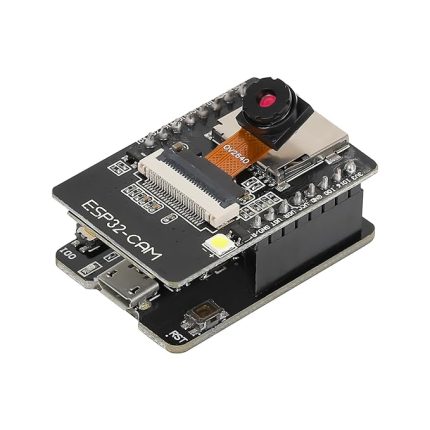
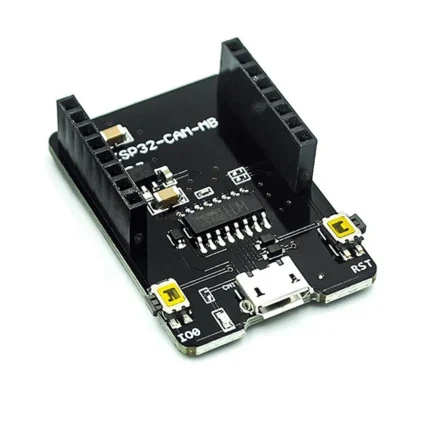
Esp32 Cam Mb Wifi Bluetooth Development Board Micro Usb Interface Ch340g Usb To Serial Port And Ov2640 Camera Module
Working voltage: 4.75-5.25V
SPIFlash: Default 32Mbit
RAM: Internal 520KB + external 8MB PSRAM
Wi-Fi: 802.11b/g/n/e/i
Bluetooth: Bluetooth 4.2BR/EDR and BLE standard
Support interface (2Mbps): UART, SPI, I2C, PWM
Support TF card: maximum support 4G
IO port: 9
Serial port rate: default 115200bps
Spectrum range: 2400 ~2483.5MHz
Antenna form: onboard PCB antenna, gain 2dBi
Image output format: JPEG (only OV2640 support), BMP, GRAYSCALE
Package method: DIP-16
Transmit power: 802.11b: 17±2dBm (@11Mbps)
802.11g: 14±2dBm (@54Mbps)
802.11n: 13±2dBm (@MCS7)
Receiving sensitivity: CCK, 1Mbps: -90dBm
CCK, 11Mbps: -85dBm
6Mbps(1/2BPSK): -88dBm
54Mbps(3/464-QAM): -70dBm
MCS7 (65Mbps, 72.2Mbps): -67dBm
Power consumption: Turn off the flash: 180mA@5V
Turn on the flash and adjust the brightness to maximum: 310mA@5V
Deep-sleep: The lowest power consumption can reach 6mA@5V
Modem-sleep: the lowest can reach 20mA@5V
Light-sleep: the lowest can reach 6.7mA@5V
Security WPA/WPA2/WPA2-Enterprise/WPS
Working temperature: -20 ℃~ 70 ℃
Storage environment: -40 ℃~ 125 ℃, <90%RH
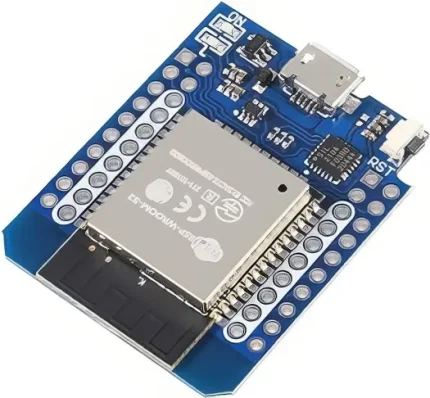
Esp32 D1 Mini Price in Pakistan
ESP32 D1 Mini Wifi Bluetooth Module Specifications:
Processor: Dual-core Tensilica LX6
Clock Frequency: Up to 240MHz
Flash Memory: 4MB
Wi-Fi Standards: 802.11b/g/n
Bluetooth Version: Bluetooth 4.2 BLE
GPIO Pins: 22
Analog Input Pins: 6
Operating Voltage: 3.3V
Dimensions: 34.2mm x 25.6mm
Weight: 4g (approx.)
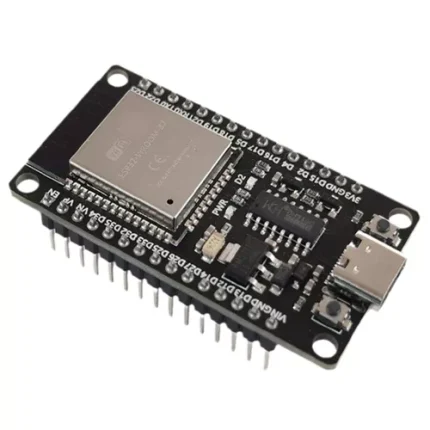
ESP32 Development Board CH340 USB Type-C WIFI and Bluetooth Price in Pakistan
ESP32 Development Board CH340 USB Type-C WIFI and Bluetooth
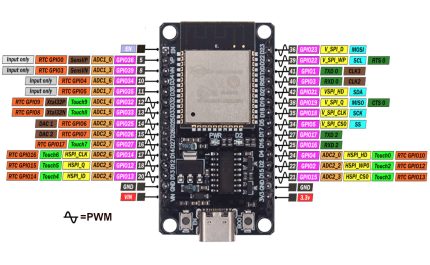
This is the ESP32S-DEV development board based on ESP-WROOM-32, features WiFi + Bluetooth connectivity, onboard USB CH340 and keys. What’s more, all the I/O pins of ESP-WROOM-32 module are accessible via the extension headers. The board has 2x19pin extension headers, which breakout all the I/O pins of the module and 2x keys, used as reset or user-defined
Quick Spec
ESP-WROOM-32 32-bit 240 MHz microprocessor
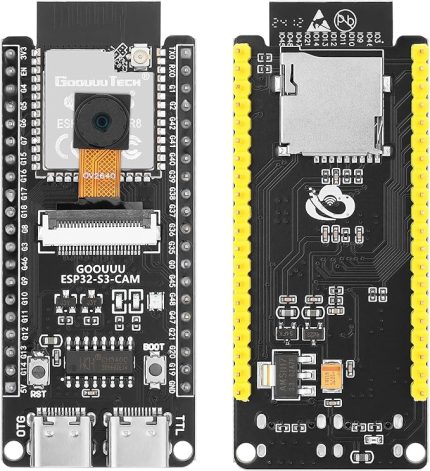
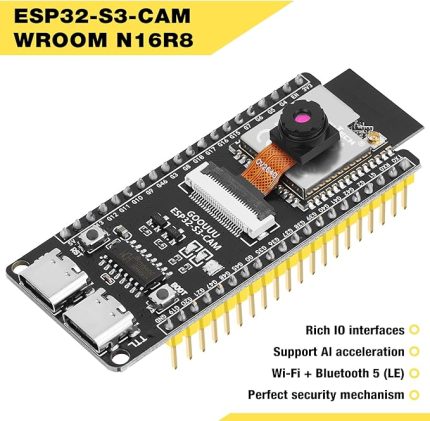
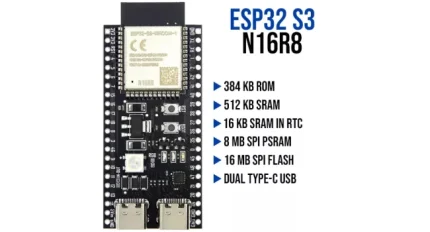
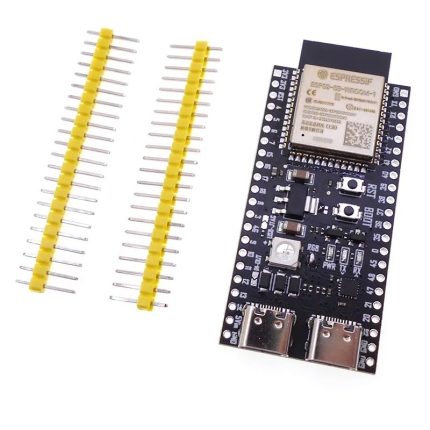
ESP32 S3 CAM Development Board with OV2640 Camera PRICE IN PAKISTANT
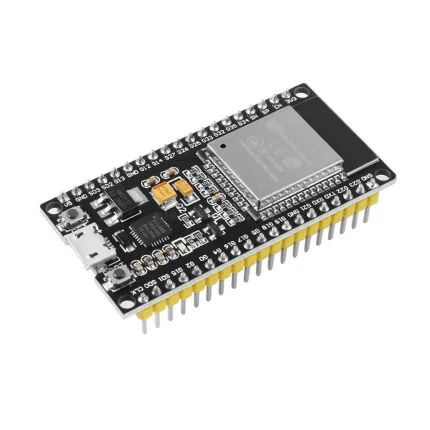
ESP32 WROOM-32 38-pins Wifi+Bluetooth MCU Module
ESP32 WROOM-32 38-pins Wifi+Bluetooth MCU Module
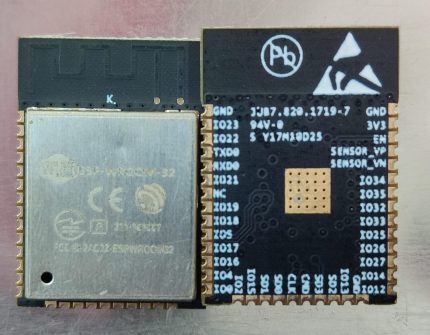
This is ESP WROOM 32/ ESP32 Wi-Fi-BT-BLE MCU Module. ESP WROOM 32 is a powerful, generic WiFi-BT-BLE MCU module that targets a wide variety of applications, ranging from low-power sensor networks to the most demanding tasks, such as voice encoding, music streaming, and MP3 decoding.
At the core of this module is the ESP32 chip, which is designed to be scalable and adaptive. There are 2 CPU cores that can be individually controlled or powered, and the clock frequency is adjustable from 80 MHz to 240 MH